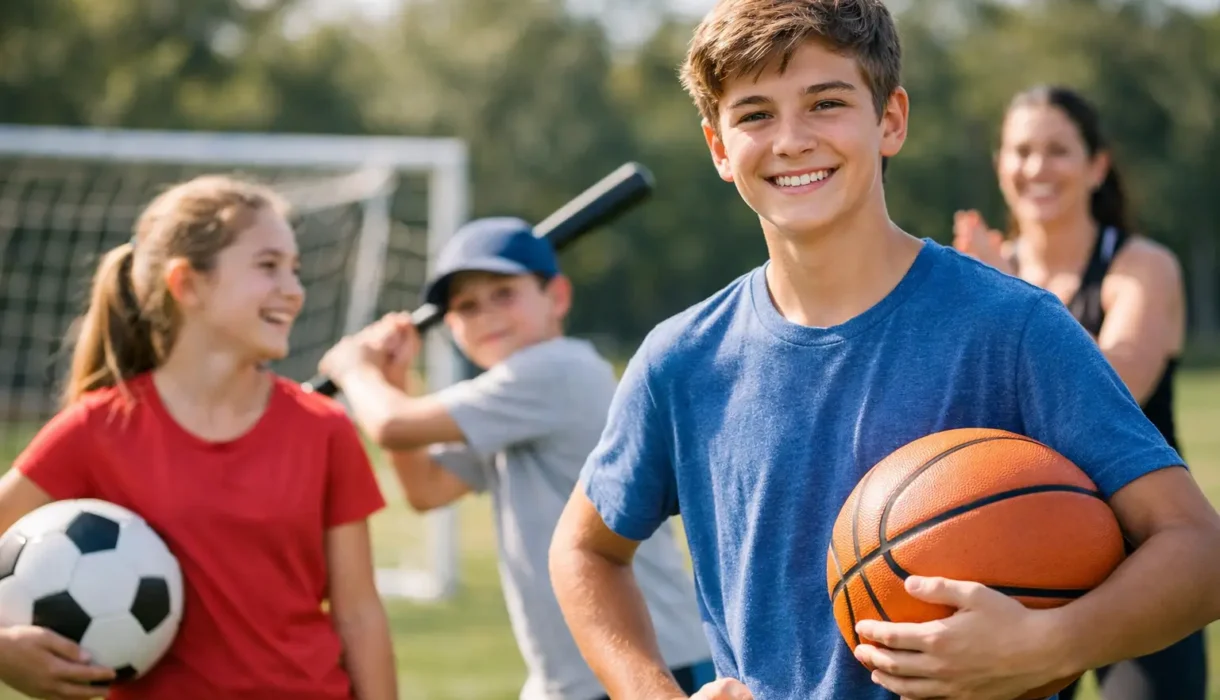

A child who has spent the morning working through math, reading, and writing often needs more than a break. They need movement, a challenge, and a place to belong. The right homeschool sports programs give students that opportunity while helping families create a school experience that supports the whole child.
For many Houma-area parents, sports are not simply an extracurricular activity. They are a meaningful part of a child’s routine, confidence, and personal growth. Whether a student is eager to compete, nervous about joining a group, or still discovering what they enjoy, physical activity can bring balance to a homeschool day and friendships to a child’s week.
Why Sports Matter in a Homeschool Routine
Homeschooling offers families valuable flexibility, but flexibility works best with dependable rhythms. Academics require focus and consistency. Children also need time to move, laugh, practice teamwork, and learn how to handle both success and disappointment with grace.
Sports create a healthy outlet after concentrated learning. Regular activity can help students return to academic tasks with more energy and clearer focus. Just as importantly, it gives them a reason to set goals outside the workbook: practicing a new skill, showing up for teammates, listening to a coach, or trying again after a difficult class.
The benefits reach far beyond fitness. A child who learns to encourage a teammate, follow directions during martial arts, or perform a dance routine in front of others is building confidence that can carry into the classroom and everyday life. These experiences teach discipline, respect, perseverance, and self-control in ways children can understand and practice.
Sports also answer a question many families have when considering homeschooling: How will my child connect with other children? Meaningful peer interaction does not happen just because students are in the same room. It grows when children share a purpose, work toward a goal, and learn to treat one another with kindness. A supportive sports setting can create those natural opportunities.
What Homeschool Sports Programs Should Provide
Not every sports opportunity is the right fit for every family. Some children thrive in a competitive team environment, while others gain more from noncompetitive movement classes, dance, martial arts, or skill-based activities. The best homeschool sports programs make room for different personalities, ages, and confidence levels.
A Consistent, Supervised Setting
Children benefit when activities happen on a predictable schedule with adults who provide clear expectations. A consistent program helps students understand when it is time to learn, when it is time to move, and how to transition responsibly between the two.
For parents, this structure can relieve the pressure of trying to organize every part of the homeschool day alone. Rather than searching for occasional activities, families can choose a setting where physical development is part of a broader routine of learning, guidance, and encouragement.
Instruction That Builds More Than Athletic Skill
A good coach or instructor sees more than the fastest runner or strongest player. They recognize the quiet child who needs a gentle invitation to join in, the energetic child who needs help practicing self-control, and the student who is ready to be challenged.
This is especially valuable in homeschool settings, where children may be learning at different grade levels and developing at different paces. The goal should not be to force every child into the same mold. It should be to help each student grow in ability, courage, and character.
Positive Peer Interaction
The social side of sports deserves thoughtful attention. Children need opportunities to make friends, communicate, take turns, and work through small disagreements with guidance. They also need an environment where they can be themselves without feeling overlooked.
Small-group activities can be especially helpful for shy students or children who have struggled in larger school settings. They allow students to build relationships gradually while still experiencing the excitement of being part of a group. Over time, a child who once stood on the sidelines may become the one cheering for others.
A Healthy Balance With Academics
Sports should strengthen a student’s education, not compete with it. The best programs fit naturally alongside guided academics, grade-level goals, hands-on learning, and time for personal attention. When children see that both learning and movement matter, they begin to understand that success is about developing strong habits in every area of life.
Finding the Right Activity for Your Child
Parents do not need to choose an activity based only on what is popular or what other families are doing. Start by watching your child. Do they enjoy running, climbing, and high-energy games? Do they prefer careful practice and personal progress? Are they drawn to music, rhythm, or performing? Their interests can point you toward a better fit.
Team sports can help outgoing students channel their energy and teach all children how to cooperate. Martial arts often appeal to students who benefit from clear routines, respect, and individual goal-setting. Dance can strengthen coordination, confidence, and creativity while giving students a chance to express themselves. Games and recreational activities may be a comfortable starting point for a child who is hesitant about organized sports.
It depends on the child, the family schedule, and the quality of the program. A highly competitive schedule may be exciting for one student but overwhelming for another. A child does not have to be a natural athlete to benefit. They simply need an encouraging place to participate, improve, and feel included.
Questions to Ask Before Choosing a Program
Before enrolling, parents should look beyond the activity itself. A few thoughtful questions can reveal whether a program will support your child well:
- Is the environment welcoming to beginners as well as experienced students?
- Are instructors focused on safety, respect, and age-appropriate expectations?
- Does the schedule work with your child’s academic routine and family responsibilities?
- Will my child have opportunities for positive interaction with peers?
- Does the program encourage effort and growth, not only winning?
It is also helpful to ask how adults respond when a student is discouraged, distracted, or having a difficult day. Children will not always arrive with perfect attitudes or instant confidence. A caring program helps them learn how to work through those moments instead of making them feel like they do not belong.
Families may also want to consider whether a program offers variety. Children’s interests change as they grow. Access to sports, martial arts, dance, and active games can give students room to explore without placing too much pressure on one activity to meet every need.
Building Stronger Days Through Movement and Community
When sports are connected to a structured homeschool experience, they can make the entire day feel more complete. A student might begin with guided lessons, work through daily learning goals, join peers for an active class, and leave with a sense of accomplishment that reaches beyond grades.
At Houma’s Best Home School Academy, sports, martial arts, dance, games, and character-building activities are part of a family-centered approach to helping students thrive. Students are supported as learners, friends, teammates, and growing young people. That combination matters for children who need structure, for parents who need dependable support, and for families seeking a community that feels personal.
The goal is not to fill every hour or turn every child into an athlete. It is to give children a steady place to grow stronger, practice confidence, and discover that they can contribute to something beyond themselves. A well-chosen activity may begin as a way to burn energy, but it can become the part of the week where a child finds discipline, friendship, and pride in how far they have come.