
A child who spends much of the school week learning at home may know every answer in a workbook yet still need a place to move, connect, and feel seen. Dance classes for homeschoolers offer more than a welcome break from seated lessons. They give students a structured way to build confidence, practice discipline, express themselves, and enjoy being part of a group.
For many Houma-area families, that balance matters. Homeschooling can provide flexibility and individualized academic attention, but parents also work hard to create consistent routines, peer interaction, and opportunities for their children to grow beyond the lesson plan. Dance can become one meaningful part of that fuller school experience.
Why Dance Belongs in a Homeschool Week
Dance asks children to listen carefully, remember sequences, manage their bodies in space, and keep trying when a step does not come easily. Those are school skills, too. A student learns that progress comes through practice, focus, and a willingness to make small corrections.
It also brings a different kind of energy to the day. After reading, math, writing, or online assignments, movement can help students reset. They are not simply getting exercise. They are learning to follow instruction in a new setting, respond to music, and turn effort into something they can see and feel.
For younger children, dance supports coordination, balance, rhythm, and body awareness. For older students, it can offer a healthy outlet for stress and a chance to develop poise in front of others. The style of dance and the student’s personality matter, but the larger benefit is consistent: students grow when they have a safe place to try something challenging.
Dance Classes for Homeschoolers Create Connection
One of the questions families often ask when considering homeschooling is how their child will spend time with peers. Meaningful social growth does not require a crowded classroom. It does require regular chances to cooperate, communicate, and build relationships with other children.
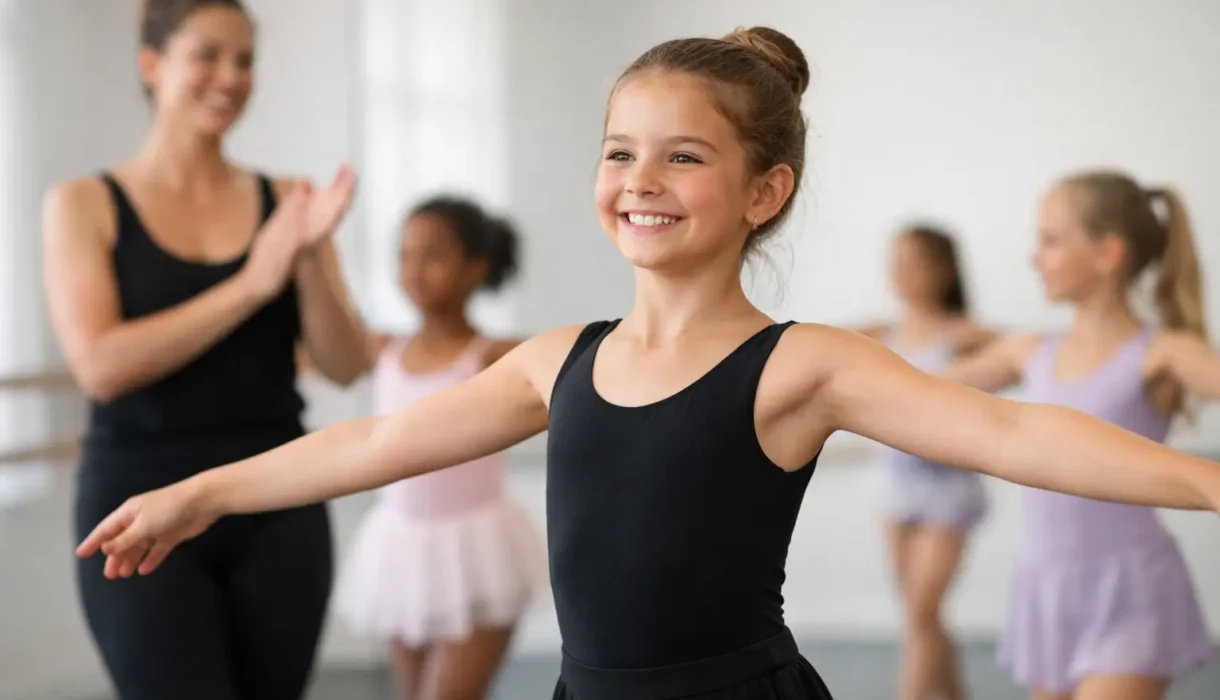
A dance class naturally creates those opportunities. Students wait their turn, share space, learn group routines, encourage one another, and celebrate progress together. A shy child may begin by standing quietly at the edge of the group, then gradually feel comfortable joining the warm-up, learning a routine, or performing a short section with classmates.
That growth cannot be rushed. Some children need time before they are ready to participate fully, especially if they are new to group activities. A caring instructor and a familiar routine can make a real difference. When students know what to expect and feel accepted as they learn, confidence has room to grow.
Dance also gives children something positive to talk about beyond academics. They may practice a new step at home, describe a song they enjoyed, or look forward to seeing friends at the next class. Those small moments help a child feel connected to a community.
Discipline Without Losing the Joy
Parents sometimes picture dance as pure fun, and it should be enjoyable. But its value also comes from the structure behind the fun. Students learn that arriving prepared, paying attention, practicing regularly, and respecting the instructor all matter.
A dance class teaches children to take direction without losing their individuality. They learn a routine with others while still bringing their own personality and energy to the movement. That combination of discipline and self-expression is especially valuable for homeschool students who are developing independence.
There will be days when a child feels frustrated because a sequence is difficult or another student seems to learn it faster. Those moments are part of the learning. With encouragement, students discover that being challenged does not mean they are failing. It means they are growing.
The same habits carry back into academics. A student who learns to practice a dance combination one piece at a time may approach a difficult reading assignment or math skill with more patience. Dance is not a replacement for academic instruction. It is an enrichment experience that can strengthen the focus, perseverance, and self-management students use throughout the school day.
What Parents Should Look for in a Program
Not every dance opportunity will fit every family. Some students are eager for performance and fast-paced choreography, while others do better with a beginner-friendly class that focuses on comfort, coordination, and foundational skills. The right choice depends on your child’s age, confidence level, interests, schedule, and sensory needs.
For homeschool families, the setting matters as much as the activity. Look for a program where children are supervised, expectations are clear, and instructors understand that students come with different experience levels. A child should be encouraged to stretch and improve, but never made to feel embarrassed for being new.
It also helps when dance is part of a dependable weekly rhythm rather than another rushed obligation. Families already balancing lessons, appointments, work schedules, and home responsibilities need enrichment that supports their routine. A structured daytime program can make it easier for students to enjoy movement and friendships without turning every afternoon into a scramble.
Parents may also want to ask practical questions before enrolling: Is the class organized by age or skill level? What should students wear? Is there an opportunity to observe progress? How does the instructor handle beginners or children who need extra encouragement? Clear answers help families choose with confidence.
A Whole-Child Approach to Homeschool Support
A strong homeschool experience is about more than completing assignments. Children need academic guidance, physical activity, creativity, character-building, and relationships that help them feel capable. When these pieces work together, students are more likely to stay engaged and develop a healthy sense of confidence.
At Houma’s Best Home School Academy, dance is one part of a supportive program designed around the whole child. Students can benefit from structured academics and small-group guidance while also participating in enriching activities that encourage movement, teamwork, discipline, and personal growth. This kind of setting can be especially helpful for families who want homeschool flexibility without carrying every responsibility alone.
Dance is not only for children who already love the spotlight. It can be a wonderful fit for the energetic child who needs a positive physical outlet, the quiet child who wants to build comfort in a group, the creative child who enjoys music, or the student who benefits from practicing focus in a hands-on way. Success may look like learning a full routine, standing a little taller, making a new friend, or simply walking into class with less hesitation than before.
Helping Your Child Get the Most From Dance
Your encouragement at home matters. Ask your child what they practiced, celebrate their effort instead of only their performance, and give them permission to be a beginner. Children often take cues from the adults they trust. When parents treat mistakes as a normal part of learning, students are more willing to keep trying.
Keep expectations realistic, too. Confidence rarely appears after one class. It grows through repetition, kind guidance, and the steady realization that a child can do hard things. Some weeks may feel more exciting than others, and that is normal. Consistency is often more valuable than perfection.
Most of all, let dance remain a place where your child can experience the joy of growth. A practiced step, a shared laugh with classmates, and the pride of showing up ready to learn can become powerful reminders that education is not limited to a desk. For a homeschool student, those moments can help build the confidence to move forward in every part of life.