
A child may happily read for an hour, then freeze when faced with a multi-step math problem. Another may understand science concepts quickly but need an adult nearby to turn an exciting experiment into careful, complete work. When parents ask what subjects need supervision in homeschool, the honest answer is not one subject or one grade level. It depends on the child, the lesson, and the kind of support that helps learning stick.
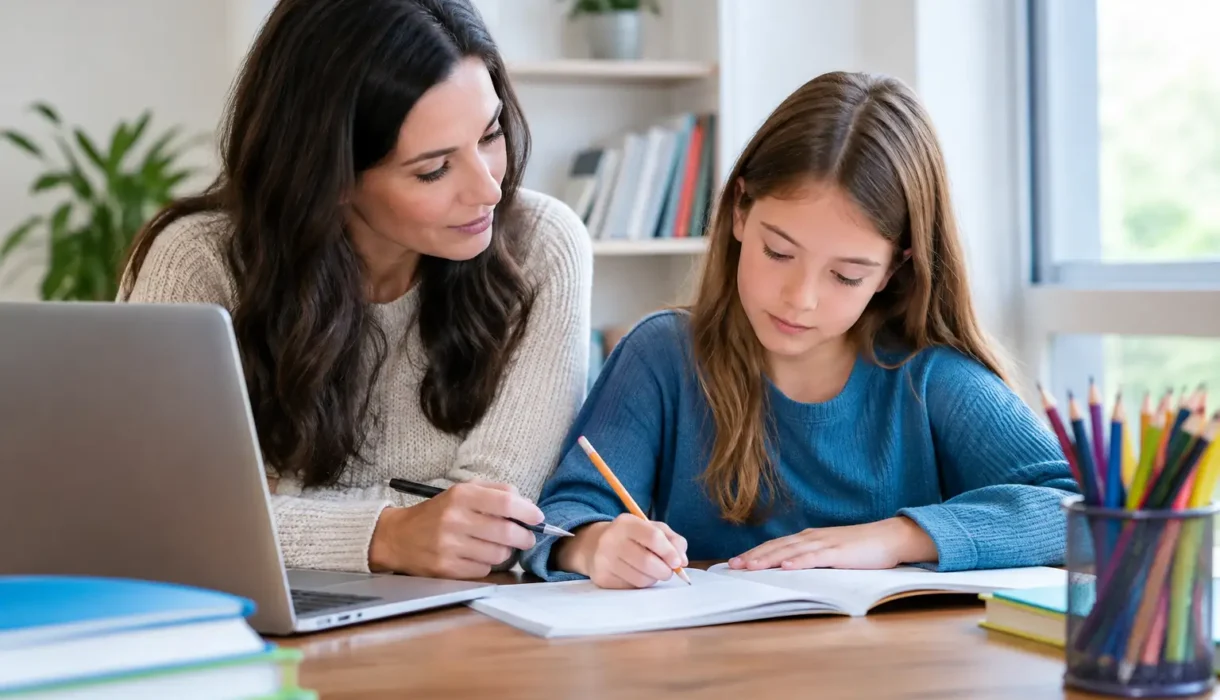
Homeschooling gives families meaningful flexibility, but flexibility works best alongside a dependable routine. Supervision is not about hovering over every worksheet or taking over the work. It is about providing the right amount of guidance so students stay safe, understand expectations, practice good habits, and grow more confident in what they can do independently.
What subjects need supervision in homeschool?
Every subject benefits from some level of adult awareness, especially in kindergarten through the early elementary years. Younger students are still learning how to listen to directions, organize materials, manage frustration, and finish a task. As children mature, many can handle more work on their own, but certain subjects and assignments still call for closer guidance.
The goal is not to make every school day parent-led. A strong homeschool routine often includes a mix of direct instruction, check-ins, independent practice, and opportunities to learn with others. The amount of supervision should change as a student’s skills, maturity, and confidence grow.
Math often needs immediate feedback
Math is one of the subjects that most often benefits from regular supervision. A child can get stuck on one misunderstood step and repeat the same error across an entire page. Early support helps parents and teachers see whether the issue is a new concept, a skipped direction, weak number facts, or simply a moment of discouragement.
This is especially true for foundational skills such as counting, place value, addition, subtraction, multiplication, division, fractions, and problem-solving. Older students may work more independently in pre-algebra, algebra, geometry, or higher-level math, but they still need someone to review their work and answer questions before confusion builds.
Helpful math supervision can be brief. Ask a student to explain how they got an answer. Watch them solve the first few problems. Check in after a set amount of time rather than waiting until the end of the day. Those small moments can protect a child’s confidence and keep a manageable challenge from becoming a daily struggle.
Reading needs guidance, even for strong readers
Reading supervision looks different as children develop. Beginning readers need an adult to hear them read aloud, correct patterns of missed sounds, and encourage them through unfamiliar words. They also need conversations about what a story means, not only whether they can say the words correctly.
As students become fluent readers, it can be tempting to assume they need no support. Yet comprehension, vocabulary, attention, and critical thinking still matter. A middle or high school student may finish a chapter independently but benefit from discussing a character’s choices, identifying the main idea in a nonfiction passage, or defending an opinion with evidence from the text.
Some children read well but avoid books that feel challenging. Others decode slowly but understand ideas deeply when material is read aloud. Supervision helps families notice those differences and choose reading tasks that stretch students without making them feel defeated.
Writing requires coaching and a patient review process
Writing asks students to do many things at once: develop an idea, organize it, choose words, use grammar, spell accurately, and revise their own work. For that reason, it usually needs more guidance than parents expect.
Younger students may need help putting thoughts into complete sentences. Elementary students benefit from learning how a beginning, middle, and ending work together. Older students need feedback on paragraphs, research habits, citations when required, and the discipline of revising rather than turning in a first draft.
There is a balance to protect here. Adults should not rewrite a child’s work until it sounds like an adult wrote it. Instead, ask clear questions: What is your main point? Does this sentence say what you mean? Can you add one detail? With encouragement and specific feedback, students learn that writing is a process they can handle.
Science needs both safety and curiosity
Science can become one of the most memorable parts of homeschooling because it invites children to observe, build, test, and ask questions. It also may require close supervision, particularly when lessons include heat, glass, chemicals, sharp tools, electricity, outdoor exploration, or food preparation.
Even simple experiments need an adult to set expectations. Students should understand how to read directions, use materials carefully, clean up, record observations, and distinguish a result from a guess. Safety comes first, but supervision also keeps the academic purpose in view. A child may love making a volcano erupt; guided questions help them connect that activity to the scientific idea being studied.
For older students, labs can be an excellent place to practice responsibility. They may prepare materials, follow a procedure, and write findings with increasing independence, while an adult remains available for oversight and safety.
History and social studies benefit from conversation
History, geography, civics, and social studies often allow students to read or watch material independently. Still, they benefit from thoughtful supervision because these subjects ask children to interpret people, events, cultures, and ideas.
A parent or instructor does not need to lecture through every lesson. A few good questions can deepen learning: Why do you think this decision mattered? Whose perspective is missing? What changed because of this event? How does this connect to life in our community today?
These conversations also help students learn respectful disagreement and careful reasoning. That matters as much as memorizing dates or places. Children build character when they practice listening, supporting their views, and treating other people’s experiences with respect.
Hands-on electives need clear boundaries
Art, music, physical education, technology, cooking, and career-focused activities are valuable parts of a complete education. They can also create situations that need adult direction. Online research and technology use should have clear expectations. Sports and physical activities need attention to proper form, appropriate equipment, hydration, and safe participation. Cooking, crafts, and building projects may involve tools or heat that are not suitable for unsupervised use.
Supervision in these areas should not take away the fun. It creates the structure that lets students explore with confidence. When children know the rules and have an adult nearby, they are more likely to try new skills, recover from mistakes, and take pride in a finished project.
When students need more than subject supervision
Sometimes the greatest need is not help with a specific lesson. A student may understand the work but struggle to begin, stay focused, manage time, or believe they can succeed. These are real learning needs, not signs of laziness or failure.
A consistent school-day routine can make a remarkable difference. Start with clear daily goals, divide larger assignments into smaller steps, and build in short check-ins. Students who feel overwhelmed often do better when they can see what comes next and know someone will notice their effort.
Small-group learning can offer another kind of supervision that is hard to create at home every day. Children see peers ask questions, practice taking turns, and discover that they are not the only ones working through a difficult skill. Shy learners may gain confidence gradually. Independent learners can be challenged to communicate and collaborate. Students who need extra encouragement receive it in a caring, structured setting.
At Houma’s Best Home School Academy, guided academics are paired with peer interaction, hands-on activities, and enrichment such as Spanish, games, sports, martial arts, and dance. That combination recognizes that children need support not only as students, but also as growing people learning discipline, respect, resilience, and connection.
Let independence grow one step at a time
The best supervision gradually gives children more ownership. A kindergartner may need an adult beside them for much of a lesson. An upper elementary student may need instruction at the beginning, a check-in halfway through, and help reviewing work. A high school student may manage a full assignment independently while still needing accountability, feedback, and a trusted person to ask when a topic becomes difficult.
Watch for evidence, not just age. Can your child explain directions back to you? Do they complete work accurately? Do they know what to do when they get stuck? Can they accept feedback and make a correction? If the answer is yes, offer more independence. If not, closer guidance is a gift, not a setback.
A healthy homeschool experience leaves room for children to become capable while assuring them they do not have to figure everything out alone. With steady guidance, patient encouragement, and a community that believes in their potential, students can meet challenges with growing confidence – one lesson, one good habit, and one successful day at a time.