
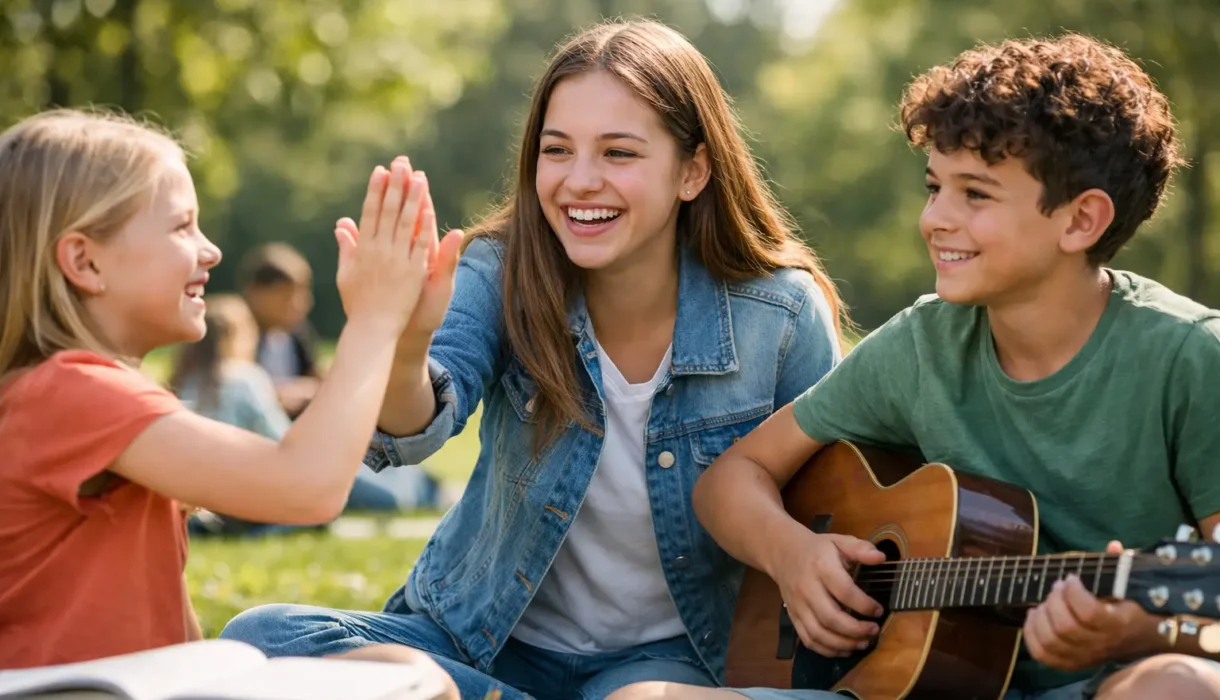

A child does not need to sit in a crowded hallway to have meaningful friendships. But parents are right to ask how homeschoolers make friends, especially when they want the flexibility of homeschooling without giving up the daily connection, teamwork, and confidence that come from being part of a group.
The reassuring answer is that friendships can grow naturally in homeschool life when children have regular opportunities to see the same peers, share experiences, and practice being part of a community. The key is not filling every afternoon with activities. It is creating a dependable rhythm of connection where children feel known, included, and comfortable being themselves.
How Homeschoolers Make Friends in Real Life
Homeschool friendships often begin in the same way friendships begin anywhere else: two children spend time together, discover something in common, and have another chance to connect the next week. A shared science project, a tough martial arts class, a favorite game at lunch, or working toward a dance performance can give children an easy place to start.
What matters most is consistency. A one-time field trip can be fun, but repeated time with the same group helps children move beyond introductions. They learn each other’s personalities, practice taking turns, work through small misunderstandings, and begin to trust that they belong. Those ordinary moments are where real friendships take root.
For some children, a smaller group is especially helpful. A shy student may find it easier to speak up when they are not trying to be heard over a large classroom. An independent learner may enjoy meeting peers who share their interests. A child who has struggled in a traditional school setting may need a fresh start in a place where adults notice their strengths and encourage them to participate.
Regular Classes Create Natural Connection
A structured homeschool program can give families the best of both worlds: individualized academic support and a dependable peer community. When students meet for guided grade-level work, small-group instruction, and hands-on activities, they have a reason to interact beyond simply making conversation.
Working beside classmates teaches valuable social habits. Children learn how to ask for help, explain an idea, listen when someone else is speaking, and contribute to a shared goal. These are friendship skills as much as they are school skills.
At Houma’s Best Home School Academy, students have opportunities to learn in a structured setting while also participating in enrichment that brings different ages, interests, and personalities together. For many families, having a regular place to learn and connect removes the pressure of trying to create every social opportunity on their own.
Shared Learning Gives Children Something to Talk About
Children often connect more easily when an activity gives them a common focus. A student may not know how to walk up and say, “Would you like to be my friend?” But they may happily ask, “Can I be on your team?” or “How did you solve that problem?”
Hands-on lessons are especially useful because they encourage conversation without forcing it. Building a project, conducting an experiment, preparing for a presentation, or playing an educational game creates small moments of cooperation. Over time, familiar faces become friends.
This is also why social development does not have to be separate from learning. A well-organized school day can include both academic goals and the relationship-building moments children need to grow in confidence.
Activities Help Friendships Grow Beyond Academics
Not every child makes friends through schoolwork. Some come alive on the sports field. Others feel most comfortable during dance, martial arts, games, or a Spanish activity where everyone is learning something new together.
Enrichment gives children different ways to be seen. The quiet student who rarely raises a hand during a lesson may show leadership during a game. The child who needs help staying focused at a desk may show impressive discipline in martial arts. A student who is still finding their voice may gain confidence while practicing a new language with classmates.
These activities also teach children how to be part of a group. Sports can build teamwork and resilience. Dance can strengthen cooperation and self-expression. Martial arts can reinforce discipline, respect, and self-control. Games can help children practice fairness, patience, and handling both wins and losses with good character.
Friendships do not require children to have identical personalities. In fact, group activities help them appreciate differences. They learn that the friend who is quiet in class may be funny during a game, or that the child who is competitive in sports can be a thoughtful partner on a project.
Parents Can Build a Healthy Social Rhythm
Parents do not need to become full-time event planners for their children to have friends. Trying to join every club or attend every gathering can leave a family tired and overstretched. A better approach is choosing a few consistent opportunities that fit the child’s interests and the family’s schedule.
For younger children, regular playtime with one or two familiar families can be enough. They tend to build friendship through play, imagination, and simple routines. A weekly class or activity can provide plenty of connection when it is paired with time to talk and play before or after.
For older students, friendships may grow around shared interests, volunteer work, sports, creative activities, group classes, or study partnerships. Teenagers often value having a place where they can be themselves without feeling pressured to fit one narrow social mold. They also benefit from adults who model respect and help them navigate conflict with maturity.
Parents can encourage connection by asking specific questions after an activity: Who did you work with today? What made you laugh? Did anyone seem new or need a partner? These questions are gentler and more useful than asking only, “Did you make a friend?” They help children notice the small social steps that lead to deeper relationships.
Social Skills Need Practice, Not Perfection
Making friends can be hard for children in any educational setting. Homeschooling does not remove every awkward moment, and a group program does not instantly make every child outgoing. Some students need time before they join a conversation. Others need guidance with personal space, sharing, conflict, or reading social cues.
That is normal. Social confidence grows through practice in a safe environment, not through pressure to perform. When caring adults know a child well, they can make thoughtful introductions, pair students for an activity, encourage a hesitant child to participate, or give them space to warm up at their own pace.
Children also need permission to have different kinds of friendships. One child may have a large circle of activity friends. Another may have one close companion and several familiar classmates. Neither approach is wrong. The goal is not popularity. The goal is for each child to experience belonging, mutual respect, and the confidence to connect with others.
What to Look for in a Homeschool Community
If peer connection is a priority for your family, look beyond the number of children in a program. A large group is not always a close community. Ask whether students see one another regularly, work together in small groups, and have guided opportunities to cooperate during the school day.
It also helps to consider the culture. Are children treated with kindness? Are respect and character part of the expectations? Do adults pay attention when a student seems left out? A welcoming environment does not mean children never disagree. It means they have support as they learn to handle disagreements with honesty, patience, and care.
Structure matters here, too. Clear routines help children know what to expect, which frees them to focus on learning and connecting. When students feel secure in their environment, they are more likely to take the small social risks that friendship requires: joining a group, asking a question, offering help, or simply sitting beside someone new.
A child’s social world does not have to look like anyone else’s to be healthy. Give them steady opportunities, patient encouragement, and a community where they are welcomed as they are. With time, the familiar face across the table or beside them in class can become the friend who helps them feel more confident wherever life leads.