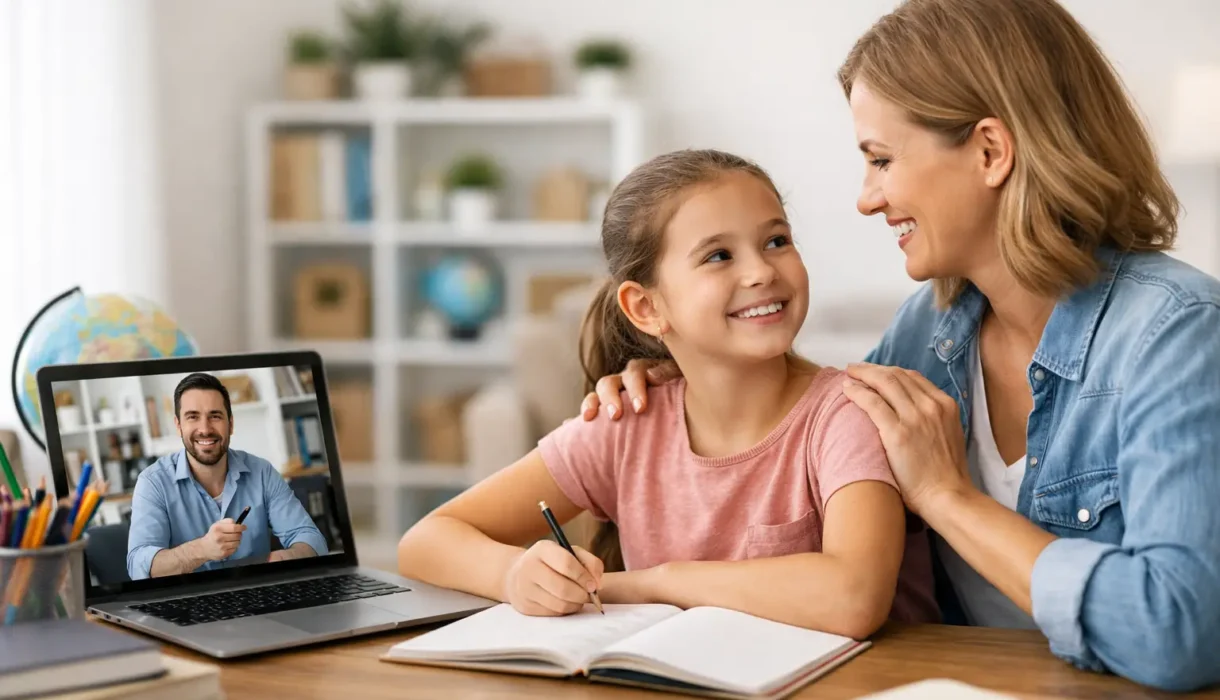

A child may love learning at home and still need help getting started at 9:00 each morning, finishing a difficult assignment, or staying focused when the lesson feels frustrating. That is where homeschool accountability support can make a meaningful difference. It gives families a dependable rhythm for learning while preserving the personal attention and flexibility that drew them to homeschooling in the first place.
For many Houma-area parents, the challenge is not caring about their child’s education. It is carrying every part of it at once: planning lessons, explaining new skills, tracking progress, managing a household, encouraging good habits, and finding opportunities for friendships. A supportive academy setting helps share that responsibility in a way that feels steady, respectful, and family-centered.
What Homeschool Accountability Support Really Means
Accountability is sometimes mistaken for pressure or constant testing. Healthy accountability is different. It means students know what is expected, have adults who notice their effort, and receive guidance before a small struggle becomes a larger setback.
For a young learner, that may look like arriving to a familiar classroom routine, completing a grade-level activity, and hearing encouragement for trying again. For an older student, it can mean setting daily goals, keeping up with assignments, asking questions during small-group instruction, and building the discipline needed for more independent work.
Parents benefit, too. Instead of wondering whether a difficult week has put learning off track, they have a partner who helps organize the school day and provides another caring set of eyes on academic progress. The goal is not to take parents out of the picture. It is to strengthen the support around each child.
Why Structure Helps Children Thrive
Children generally do better when they understand the shape of their day. A consistent start time, clear learning goals, focused work periods, and time to move or connect with others can reduce the daily negotiations that wear families down.
Structure also builds confidence. When students experience the satisfaction of completing a task, practicing a skill, and seeing themselves improve, they begin to trust their own ability. This matters especially for children who have felt discouraged in a larger school setting or who need more time and personal guidance to grasp a concept.
At the same time, structure should not be rigid for its own sake. A child with a challenging reading lesson may need extra explanation. A student who finishes math quickly may be ready for a deeper challenge. Good homeschool support makes room for those differences while keeping the day purposeful.
Small Groups Create Room for Real Guidance
In a small-group environment, students are more likely to be seen. An instructor can notice when a child is quiet because they are concentrating, and when they are quiet because they are confused. That distinction matters.
Small groups also give students a chance to learn alongside peers without getting lost in a crowded classroom. They can practice listening, taking turns, sharing ideas, and asking for help. These are academic habits, but they are also life skills that build respect, patience, and confidence.
For some students, peer interaction is the motivation they need to stay engaged. For others, it is a gentle way to grow beyond shyness. The right setting does not expect every child to learn or socialize in exactly the same way. It gives each student safe opportunities to participate.
Homeschool Accountability Support for Every Grade Level
The kind of support a child needs changes as they grow. Kindergarten and elementary students often need close guidance, repeated practice, hands-on activities, and routines that make school feel welcoming. Their progress is built through daily encouragement and the confidence to keep trying.
Middle school students are beginning to manage more responsibility. They may need help organizing assignments, developing study habits, and staying motivated as subjects become more demanding. This is also a season when friendships and belonging matter deeply. A positive learning community can help students feel connected while they gain independence.
High school students need accountability that prepares them for what comes next. Clear expectations, grade-level academic support, goal-setting, and consistent follow-through help them develop discipline. Yet older students still benefit from adults who know them personally, recognize their strengths, and encourage them through difficult work.
The best approach depends on the student. A highly independent learner may need a place to stay challenged and connected. A struggling learner may need more direct support and reassurance. A child who has fallen behind may need steady progress rather than unrealistic pressure. Families deserve an educational setting that responds to the child in front of them.
Beyond Assignments: Supporting the Whole Child
A successful homeschool experience is about more than completing worksheets. Children need opportunities to move, create, communicate, and discover what they can do. Enrichment can bring energy back into the school day and give students reasons to look forward to learning.
Spanish enrichment, games, sports, martial arts, and dance each support growth in different ways. A language activity can strengthen curiosity and communication. Games can teach cooperation and problem-solving. Sports and dance give children healthy movement and confidence in their bodies. Martial arts can reinforce discipline, respect, focus, and self-control.
These experiences are not extras when they help a child become more engaged, capable, and connected. They are part of educating the whole person. A student who feels successful on the court, in a dance class, or during a hands-on group activity may carry that confidence back into reading, math, and other academic work.
Signs Your Family May Need More Support
Sometimes the need for added support is obvious. A child may resist school work every day, avoid assignments, or become frustrated quickly. Other times, the signs are quieter. Parents may find themselves constantly reminding their child to begin, wondering whether progress is being made, or feeling alone in decisions about curriculum and routines.
Consider whether your family could benefit from a more structured support system if school days often feel unpredictable, lessons regularly end in conflict, or your child has few chances to learn with peers. It may also help if you want more guidance without giving up the individualized care that homeschooling offers.
Seeking support is not a sign that a parent has failed. It is a thoughtful choice to give a child more encouragement, consistency, and community. Children learn best when the adults around them work together with a shared commitment to their success.
What a Supportive Academy Day Can Offer
A strong academy-based homeschool program brings daily learning goals into a dependable setting. Students can receive guided grade-level academics, personalized attention, and small-group instruction while parents remain closely connected to their child’s education.
That balance is especially valuable for busy families. Parents can still know what their children are learning and remain an active part of their growth, while students benefit from a school-day routine and the encouragement of trusted instructors and peers.
Houma’s Best Home School Academy has served local families for more than 30 years with this kind of caring, structured approach. Its K-12 program is designed to help students grow academically while building confidence, discipline, friendships, and character in a safe community setting.
Questions to Ask When Choosing Support
Before choosing a program, parents should look beyond promises of academic help. Ask how students’ daily goals are organized, how instructors respond when a child is struggling, and whether the environment offers meaningful peer interaction. It is also wise to ask how the program supports different grade levels and makes space for enrichment, movement, and character development.
The right answer will not sound exactly the same for every family. Some parents need reliable supervision during the school day. Others want help with motivation, social connection, or academic consistency. What matters is finding a place where your child is known, encouraged, and expected to grow.
A child does not have to carry the weight of learning alone, and neither does a parent. With steady guidance, clear routines, and a caring community, each school day can become another chance for your child to feel capable, connected, and proud of the progress they are making.