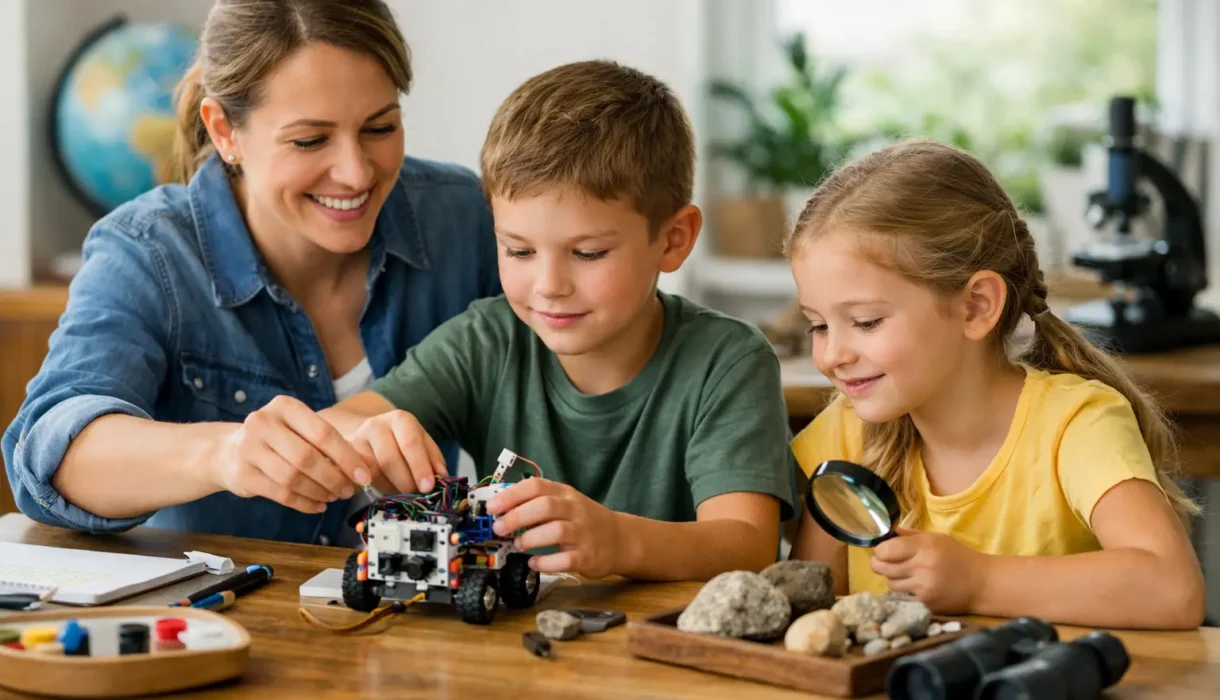

A child who can explain why a bridge holds weight after building one from simple materials has learned more than a science fact. They have practiced patience, problem-solving, communication, and the courage to try again when the first design bends. That is the lasting value of hands-on learning for homeschoolers: lessons become experiences children can see, touch, test, and remember.
For many Houma-area families, homeschooling offers the gift of flexibility and personal attention. It can also bring a familiar question: How do we keep school days structured, engaging, and meaningful without turning every lesson into a complicated project? The answer is not to fill the week with crafts. It is to choose purposeful activities that help children connect academic skills to the world around them.
Why Hands-On Learning for Homeschoolers Works
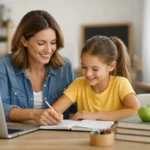
Children learn in different ways, but nearly every student benefits from having a reason to use what they are studying. A worksheet may show that a student can solve a math problem. Measuring ingredients for a recipe, planning a small budget, or figuring out the area of a garden bed shows them why the math matters.
Hands-on activities invite students to participate rather than simply receive information. A younger child might use counters to understand addition and subtraction. An older student may build a model, conduct a science investigation, prepare a presentation, or compare local historical sources. The activity gives the lesson a purpose, while the reflection afterward helps the learning stay with them.
This approach can be especially helpful for children who become discouraged by long stretches of seatwork. Movement and meaningful tasks can renew attention without lowering expectations. A student can still practice careful reading, accurate calculations, complete sentences, and strong study habits – just in a way that feels active and connected.
Hands-on learning also creates natural opportunities for confidence. When children test an idea, make an adjustment, and see progress, they begin to trust their own ability to work through a challenge. That confidence carries into academics, friendships, and everyday responsibilities.
Purpose Matters More Than the Project
A hands-on lesson does not need to be expensive, elaborate, or picture-perfect. In fact, the most useful activities are often simple enough to repeat and flexible enough to match a child’s grade level.
Before choosing an activity, start with the learning goal. If the goal is reading comprehension, a child might create a sequence of events from a story, act out a scene, or explain a character’s choices through a short interview. If the goal is fractions, they might divide a recipe, fold paper shapes, or compare portions while serving a meal. The hands-on portion supports the lesson rather than replacing it.
It also helps to decide what evidence of learning you want to see. A completed model is not always proof that a student understands the topic. Ask them to explain their choices, write a few observations, solve a related problem, or teach the idea back to you. These small follow-up steps keep activities grounded in real academic growth.
There is a trade-off to consider. Larger projects can create excitement, but they can also require substantial preparation and leave little room for consistent core instruction. A five-minute demonstration with a clear purpose may serve your child better than a time-consuming project that leaves everyone tired. The best rhythm is one your family can sustain.
Bring Core Subjects to Life
Hands-on learning can fit naturally into a structured homeschool day. It does not require setting aside every subject or waiting for a special occasion.
Math becomes useful when children can measure and plan
Math is everywhere in daily life. Younger learners can sort buttons, count change, measure furniture, or use building blocks to explore shapes. Older students can calculate discounts, create a grocery budget, track the cost of a project, or use scale drawings to plan a room.
The goal is not simply to make math entertaining. It is to help students recognize that accuracy matters. When a recipe needs adjusting or a budget does not balance, children see the value of checking their work. Those moments build both practical skill and discipline.
Science grows through observation and questions
Science activities are especially powerful when students are encouraged to observe before they are given the answer. Keep a weather journal, test which materials absorb water, compare plant growth under different conditions, or study the ecosystems close to home. In South Louisiana, the changing weather, waterways, wetlands, and local wildlife can provide meaningful starting points for observation.
A good science lesson includes time to predict, test, record, and discuss. If an experiment does not go as expected, that is not a failure. It is an opportunity to ask better questions. Children learn that careful thinking often matters more than getting an immediate result.
Reading and history become stories students can enter
Reading aloud, role-playing, map work, timelines, and oral storytelling can make language arts and history feel more personal. A student studying a historical period might create a simple timeline, prepare a short speech from the perspective of a person who lived then, or compare two accounts of the same event.
For literature, ask students to draw a setting based on textual details, create a character journal, or stage a brief scene. These activities should always return to the text. Encourage children to point to the words that shaped their ideas. That habit strengthens comprehension while allowing creativity to have a place in the lesson.
Structure Gives Active Learning Its Strength
Freedom works best when children understand the expectations around it. A dependable routine helps students know when it is time for focused academics, when they can work independently, and when they will have an opportunity to collaborate, move, or create.
This is one reason small-group learning can be valuable for homeschool families. Children benefit from sharing ideas, listening to others, practicing teamwork, and learning how to participate respectfully. A shy student may feel safer contributing to a small group than to a large class. An independent learner may gain patience and leadership by helping explain a concept to a peer.
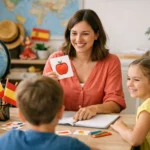
At Houma’s Best Home School Academy, hands-on activities are paired with guided grade-level academics, daily goals, and small-group support. That combination matters. Enrichment such as Spanish, games, sports, martial arts, and dance can give students new ways to build confidence and connection, while a structured academic plan keeps progress moving forward.
Parents do not have to carry every part of the homeschool experience alone. Support from caring educators and a consistent learning community can make it easier to maintain routines, track growth, and give children the peer interaction they need.
Let Children Take Meaningful Responsibility
The most memorable hands-on lessons often include a real responsibility. Children can organize materials, care for a class plant, lead part of a demonstration, keep a project journal, or present what they learned to family members. These roles help students see themselves as capable contributors.
Age and maturity should guide the level of independence. A kindergartener may need clear directions and close support while sorting, building, or measuring. A high school student may be ready to plan a research-based project, manage deadlines, and present findings with greater independence. Both students benefit from encouragement, clear standards, and a chance to reflect on their work.
When something feels difficult, resist the urge to fix every problem immediately. Offer a question instead: What have you tried? What do you notice? What could you change? This kind of guidance builds perseverance without making children feel alone in the challenge.
Keep It Joyful, Not Perfect
Some days will be busy. Some projects will make a mess, take longer than expected, or reveal that a child needs more support with the basics before moving ahead. That is normal. Hands-on learning is not about producing polished work for display. It is about creating moments where children can practice, think, make mistakes, and grow.
Choose one small way to make a coming lesson more active. Let your child measure, build, investigate, explain, or help make a decision. With steady guidance and room to participate, learning can become something they do with confidence – not simply something they are asked to complete.